According to the results of influenza surveillance in Anhui Province, the activity level of influenza virus in Anhui Province has been significantly enhanced recently, mainly influenza A (H1N1), which has caused many outbreaks in primary and secondary schools and kindergartens.
one
What is the flu?
Influenza is an acute respiratory infectious disease caused by influenza virus.
Influenza viruses are divided into four types: A, B, C and D. Human influenza is mainly caused by influenza A virus and influenza B virus. Influenza A and B are seasonal epidemics every year, and influenza A is easy to cause a pandemic.
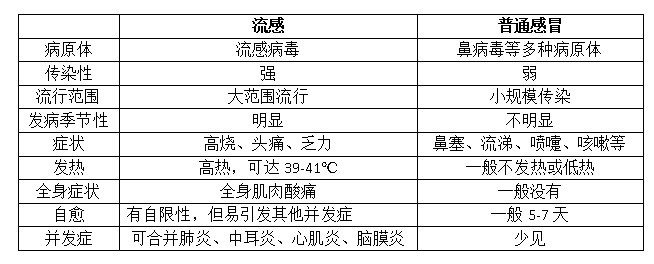
What’s the difference between flu and cold?
The common cold is mainly caused by rhinovirus, parainfluenza virus and respiratory syncytial virus with weak pathogenicity, which is low in infectivity, often manifested as stuffy nose, runny nose, sneezing and other symptoms, and may also have low fever, which usually heals itself in a few days.
Compared with the common cold, influenza is highly contagious and its symptoms are more serious. After being infected with influenza virus, the upper respiratory symptoms such as nasal congestion, runny nose and sneezing are usually mild, while the symptoms of systemic poisoning such as high fever, headache and fatigue are serious, and complications such as pneumonia, myocarditis and otitis media may occur after the onset.
two
What are the symptoms of influenza?
The incubation period of influenza is generally 1-7 days, mostly 2-4 days. Fever, headache, myalgia and general malaise are the main symptoms. The body temperature can reach 39-40℃, and there may be chills, chills, muscle aches, fatigue, loss of appetite and other systemic symptoms.
three
What are the transmission routes of influenza?
It is mainly spread by droplets such as sneezing and coughing, and directly or indirectly contacts infection through mucous membranes such as mouth, nose and eyes. Contact with items contaminated by viruses can also be infected through the above channels. In certain places, such as crowded, closed or poorly ventilated rooms, it may also spread by aerosol.
four
What if I get the flu?
When there are symptoms of fever, cough, headache and fatigue, you should go to the hospital in time and avoid taking drugs yourself. If you are diagnosed with influenza, you should be treated in isolation as soon as possible, and those with severe flu-like symptoms should be treated with antiviral treatment as soon as possible.
five
How to prevent influenza every day?
1. Vaccination against influenza is the most effective means to prevent influenza. It is recommended that key groups such as the elderly aged 60 and above, children aged 6 months to 5 years, pregnant women, patients with chronic diseases and medical staff should be given priority vaccination against influenza every year.
2. Maintain good personal hygiene habits. Develop good respiratory hygiene habits. When coughing or sneezing, cover your mouth and nose with your upper arm or paper towels and towels. Wash your hands frequently, and keep the living room clean and well ventilated.
3. Try to minimize activities in crowded places during the flu season and try to avoid contact with patients with respiratory infections.
six
What should I do if there is an influenza epidemic in schools and kindergartens?
When schools and kindergartens find flu-like cases, they should isolate the sick students in time, take them to see a doctor or treat them at home in time, avoid contact with other students, and strengthen classroom disinfection. If there are more than 10 flu-like cases within 1 week, they should report to the county (city, district) level disease prevention and control institutions in time.
seven
Schools and child care institutions
How to prevent influenza?
1. Schools and kindergartens should conscientiously implement the registration system for morning and afternoon check-ups and absence due to illness, grasp the reasons for students’ absence, and achieve early detection and early reporting of the epidemic; For students diagnosed with influenza, they need to return to school after their body temperature returns to normal, other flu-like symptoms disappear for 48 hours, or provide proof of resumption of classes in the hospital.
2. The classroom should always open the window for ventilation to keep the air circulation in the classroom.
3. The school should disinfect key parts such as toilets, canteens, stair handrails and door handles every day; Nursery institutions should disinfect students’ toys and other items every day.
4. Schools should publicize influenza prevention knowledge by means of health education classes, theme class meetings, small campus broadcasts, blackboard newspapers and other forms, so as to improve teachers’ and students’ self-prevention awareness.