Cctv news(Reporter Wang Jingyuan Peng Jun Yu Xiaodan): Recently, under the joint guidance of the Network Communication Bureau of the Central Network Information Office and the Propaganda Center of the State Forestry and Grassland Bureau, the launching ceremony of the network theme activity "Beautiful China Online Media Eco-trip" was held in Hulunbeier City, Inner Mongolia Autonomous Region, jointly sponsored by the Network Information Office of the Inner Mongolia Autonomous Region Party Committee, the Guangdong Provincial Party Committee, the Guangxi Zhuang Autonomous Region Party Committee, the Shaanxi Provincial Party Committee, the Gansu Provincial Party Committee and CCTV.
The theme activity is to thoroughly study, publicize and implement the supreme leader’s ecological civilization thought, focus on the construction of ecological civilization, vividly tell the story of beautiful China, and vividly show the vigor and vitality of green China, developing China and forging ahead in China.
Illustration CCTV reporter Song Yuchen
This network theme activity invites representatives of teachers and students from colleges and universities to participate in the ideological and political practice activities of college students. Inner Mongolia is the first stop of this activity. During the five-day interview, more than 20 journalists and editors went to Hulunbeier City, Inner Mongolia Autonomous Region to carry out interview activities, and showed the beauty of nature, ecology and life in Inner Mongolia Autonomous Region in the new era through all-media and multi-form reports.
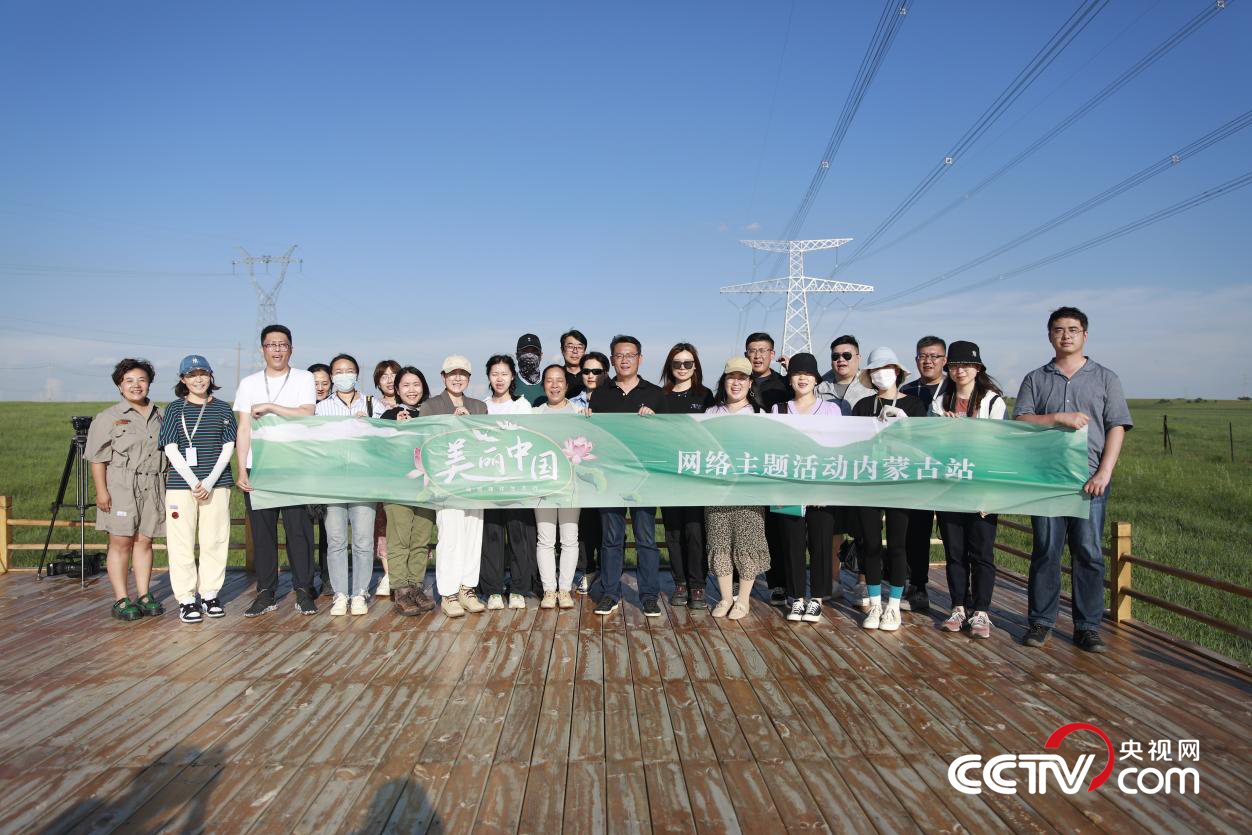
Interview group photo Zhang Yuanshe
Manglai Gacha: A New Sample of Pastoral Modernization
Manglaigacha is one of the 15 animal husbandry gacha in Kerlunsumu, Xinbaerhu Right Banner. It is adjacent to the Krulun River in the north and the border line of Mongolia in the south. The whole area is in a strip shape from north to south, and the grassland is fragmented.
Mijige Dorg, secretary of the Party branch of Manglaigacha, said that in the past, the pasture was contracted to individuals, and basically every family had a net fence, so the pasture was fixed and could not get out of their own pasture, and herders also had many contradictions because of the net fence.
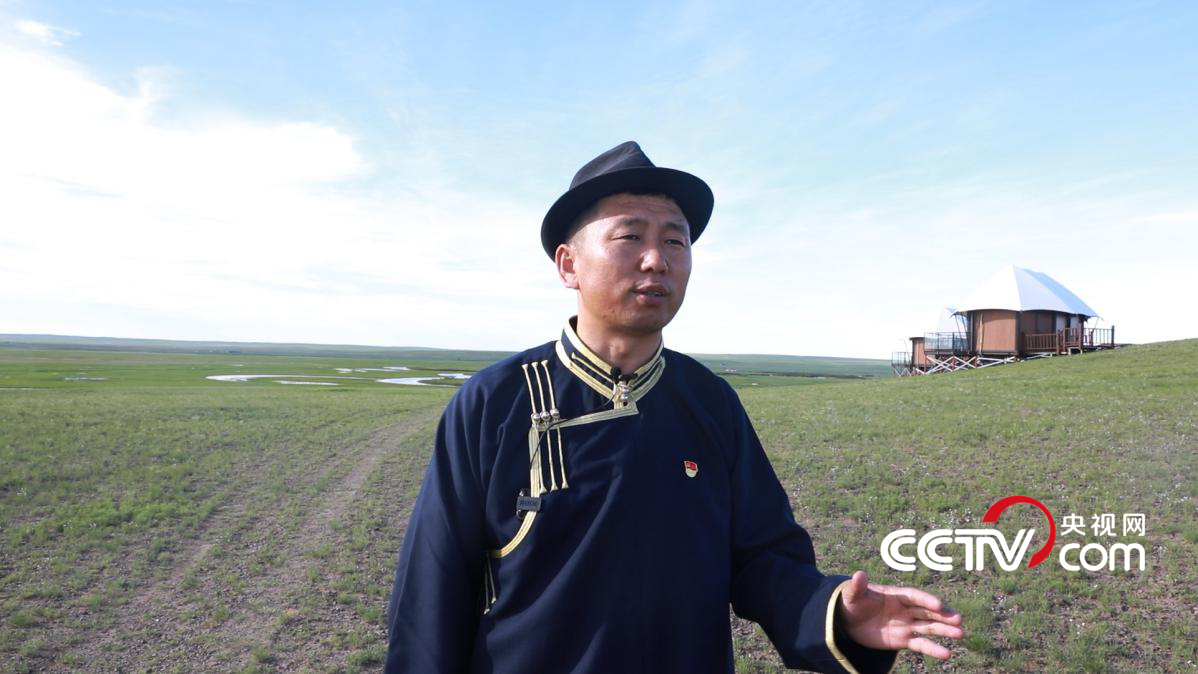
Mijige Dorg CCTV reporter Peng Junshe
With the requirements of the modernization of pastoral areas, the fence not only restricts the development of animal husbandry, but also affects the ecological balance of grassland. The problems caused by fence are becoming more and more serious, such as the gradual decrease of forage species and grassland degradation.
In 2018, Manglai Gacha was identified as the first pastoral modernization pilot in Xinbaerhuyouqi. In June 2019, Manglaigacha established the first joint-stock animal husbandry professional cooperative in Xinbaerhuyouqi — — Manglai specialized animal husbandry cooperative has absorbed 65 herdsmen and established the organizational form of "collective economic organization+specialized cooperative".
Shortly after the establishment of the cooperative, the problem that had plagued Mijige Dorg for a long time was finally solved, and the Gacha "two committees" decided to dismantle the net fence.
According to Mijige Dorg, Gacha has rationally dismantled 96 kilometers of optimized net fence, integrated 278,000 mu of grassland into cooperative herdsmen, divided it into five production blocks: spring, summer, autumn and winter camps and mowing grassland, opened the closed pasture net fence for many years, and resumed the traditional four-season rotation grazing. "The herdsmen also think that it is very comfortable to return to the vast grassland before."
Mijige Dorg said that the cooperative innovates the production and management system, and the herdsmen voluntarily take "grassland+livestock" as the share price, and "16 mu of grassland+1 sheep" as one share; The stock value is converted into 1 mu by 10 yuan, multiplied by the expiration year of this round of pasture lease of 6 years, plus the price of 1,500 yuan for a sheep, and one share is approved to be 2,460 yuan. Shares in cooperatives, "herdsmen become shareholders, ‘ Grassland certificate ’ Change ‘ Warrants ’ " .
The deeper significance of dismantling the net fence lies in breaking the wall that restricts the rotation and diversified development of livestock in four seasons, paving the way for the balanced restoration of grassland ecological environment and the harmonious coexistence of man and nature.
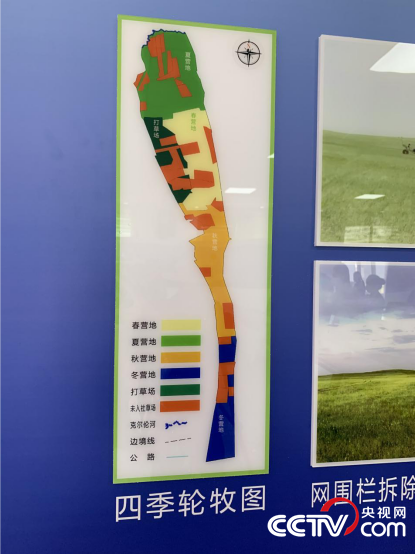
Manglai checks the schematic diagram of four seasons rotation grazing. CCTV reporter Wang Jingyuan photo
After the removal of the net fence, the grass potential has been obviously improved. "Vegetation coverage, dry and heavy grass yield and average height are obviously higher than other Gacha", said Han Yongli, Party secretary of Kerlunsumu, Xinbaerhu Right Banner, with a smile.
The improvement of ecological environment can not be separated from the principle of balance between grass and livestock. Han Yongli introduced that Gacha made rational use of grassland resources through four-season rotation grazing, and relied on big data platform and smart grazing to continuously strengthen the supervision, restoration and governance of grassland, so as to promote the continuous improvement of grassland ecology.
In Mongolian, "Manglai" means first and pioneer, and the development of herdsman’s "holding a group" provides strong support for Manglai Gacha to be at the forefront in organization, economy and social governance.
Han Yongli said that the cooperative has established a linkage mechanism with the interests of leading enterprises, reduced the production cost of milk and meat products through intensive production, established a quality and safety traceability system, and used the Manglai live animal trading market platform and the "e-commerce+"marketing model to enhance brand added value and market competitiveness.
In addition, Manglaigacha also vigorously promotes the development of experiential grassland eco-tourism, develops folk cultural tourism industries such as Krulun camp and family ranch, and promotes the integration and development of multiple industries.
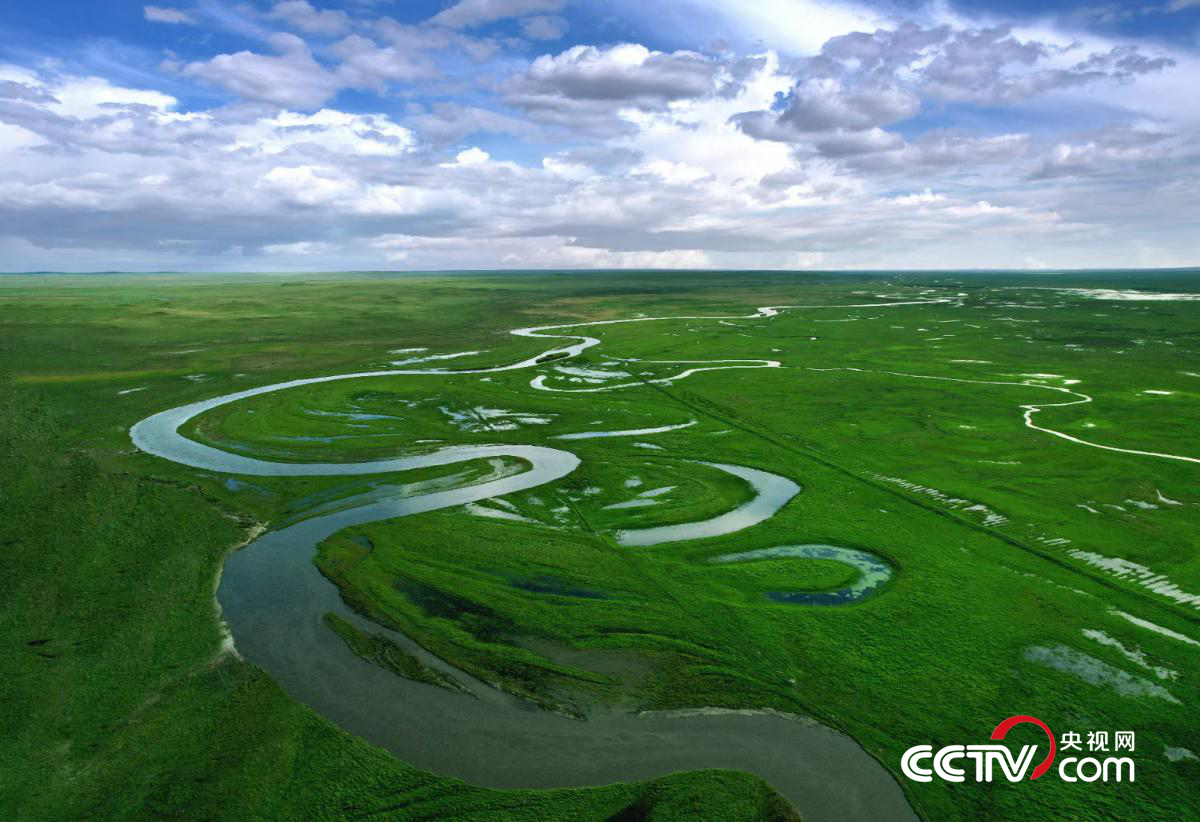
Photo by Meng Jiayu, Krulun River
Krulun Tourist Camp belongs to Kerun Sumumang Laigacha in Xinbaerhu Right Banner. Named after the Krulun River flowing through the territory, the camp officially opened in 2022, providing integrated services such as sightseeing, experience, catering and accommodation.
The construction of the camp adheres to the concept of ecological priority and green development. Grassland partners such as cattle, horses and sheep naturally snuggle near the camp, and migratory birds and antelope are also frequent visitors to the camp.
In the grassland pasture not far from the camp, visitors can also experience nomadic life, milking cows, feeding lambs, riding horses, riding tractors to see camels, picking wild flowers on the grassland, and enjoying the tranquility and beauty of the sky, grassland and rivers.
Xiertala Farmland: Ecological Grass and Animal Husbandry, Realizing Win-win for Agriculture and Animal Husbandry
Hulunbeier grassland has developed many types of meadow grassland ecosystems, which is a precious natural ecological laboratory, and the economic, ecological and social values of field observation and research are very significant.
Relying on China Academy of Agricultural Sciences, Hulunbeier Grassland Ecosystem National Field Scientific Observation and Research Station is located in Xiertala Farm in Hulunbeier City, which is the most complete and representative area of temperate meadow grassland in Eurasia.
Walking into the Shertala farm, the staff is sampling on the grass. Yan Ruirui, deputy stationmaster of Hulunbeier Field Observation and Research Station of China Academy of Agricultural Sciences, said that a car is a field scientific research station. As soon as the car stops, the staff can immediately inspect the growth of plants on this grassland.
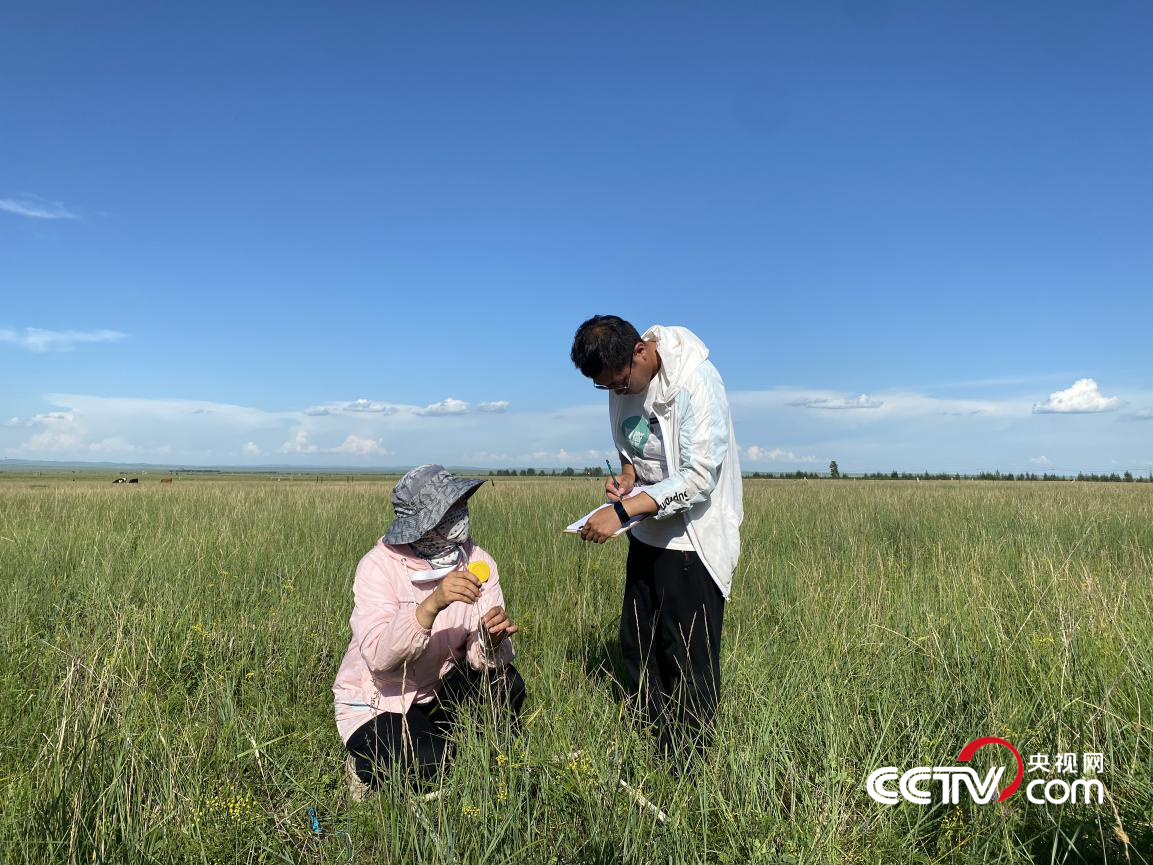
The staff is conducting production measurement. CCTV reporter Yu Xiaodan photo
Grass husbandry is a new ecological grass and livestock industry promoted on the basis of traditional animal husbandry and grass industry, and it is also an important content of structural reform of agricultural supply side. Hulunbeier is endowed with rich grassland resources, but in recent years, grassland degradation is serious, industrial structure is out of balance, and the development of animal husbandry is seriously hindered.
Today, with the goal of "ecological priority and green development", Xiertala Farm implements cross-regional rotation grazing in the first pasture Sanhe cattle grazing cluster. Zoning rotational grazing is a controlled grazing method. Compared with free grazing, it can reduce the trampling degree of livestock on grassland and improve the productivity and quality of grassland.
Compared with other pastures, the special feature of Xiertala Farm is that it has a strong "scientific and technological flavor". In 2015, the demonstration model project of ecological grass and animal husbandry of China Academy of Sciences landed in Hulunbeier Agricultural Reclamation Group. Through the empowerment of science and technology, Xiertala Farm has gradually embarked on a new path suitable for sustainable development.
From June to August every year, in the experimental demonstration pasture of Hulunbeier Agricultural Reclamation Group, the staff will conduct production measurement when the biomass content of forage grass in natural grassland reaches the peak.
According to Yan Ruirui, the staff will arrange sample plots according to the average area of each grassland, and use a sample box to delimit a square with an area of 1 square meter on the grassland for sampling, and record the topographic characteristics, soil characteristics, grassland types, vegetation appearance and other data of the sampling site in detail. Then, the sampled forage grass will be taken back to dry and weighed to compare with the later improved grassland growth, so as to master the dynamic changes of grass group composition and yield in natural grassland. "This provides powerful data for the experimental research of the Chinese Academy of Sciences and is conducive to the transformation of scientific and technological achievements."
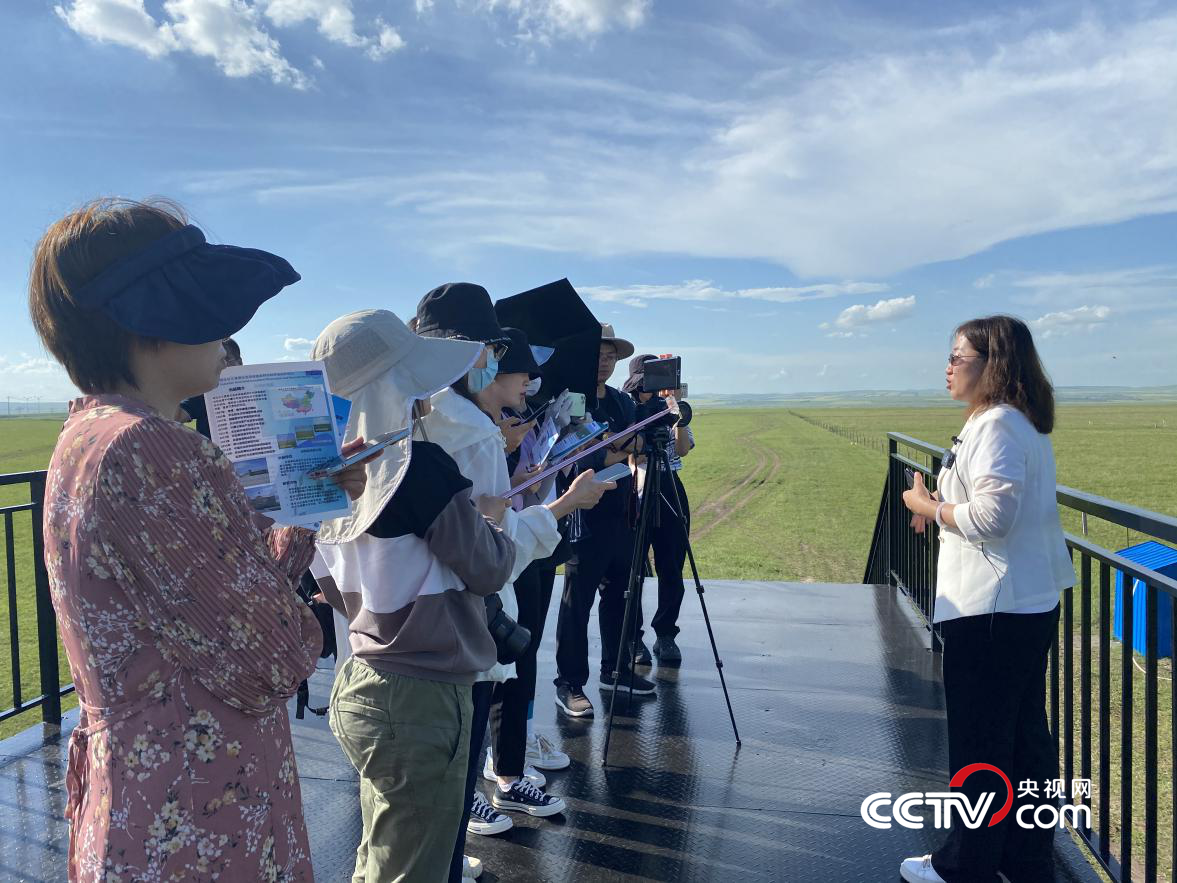
Yan Ruirui was interviewed by CCTV reporter Yu Xiaodan.
Under the guidance of experts, according to the need of fertilizer in grassland, each experimental area carries out grassland nutrient replenishment every year, cuts grass roots through root cutting and loosening technology to improve the permeability of soil, and the grassland is regenerated and rejuvenated. Moreover, no-tillage seeders are used to replant some high-quality grasses with strong adaptability and feeding value, increase the species and coverage of grass groups, improve the proportion of high-quality grasses, and promote the yield and quality of grass layers.
Yan Ruirui said that Hulunbeier Field Observation and Research Station has ensured the effectiveness of forage improvement through the use of many high-tech means. Long-term experiments of pasture include grazing utilization, mowing utilization, grassland improvement and grassland cultivation, and high-precision dynamic monitoring of grassland productivity is realized by combining satellite remote sensing and ground-based remote sensing experiments.
With the help of science and technology, high-quality pasture has become a resounding business card of Xiertala farm. The pasture turns forage into commodities for sale, and builds a whole industrial chain integrating production, storage and sales, and completes all links of forage planting, management, harvesting, storage and sales, which brings considerable economic benefits to the farm and pasture.
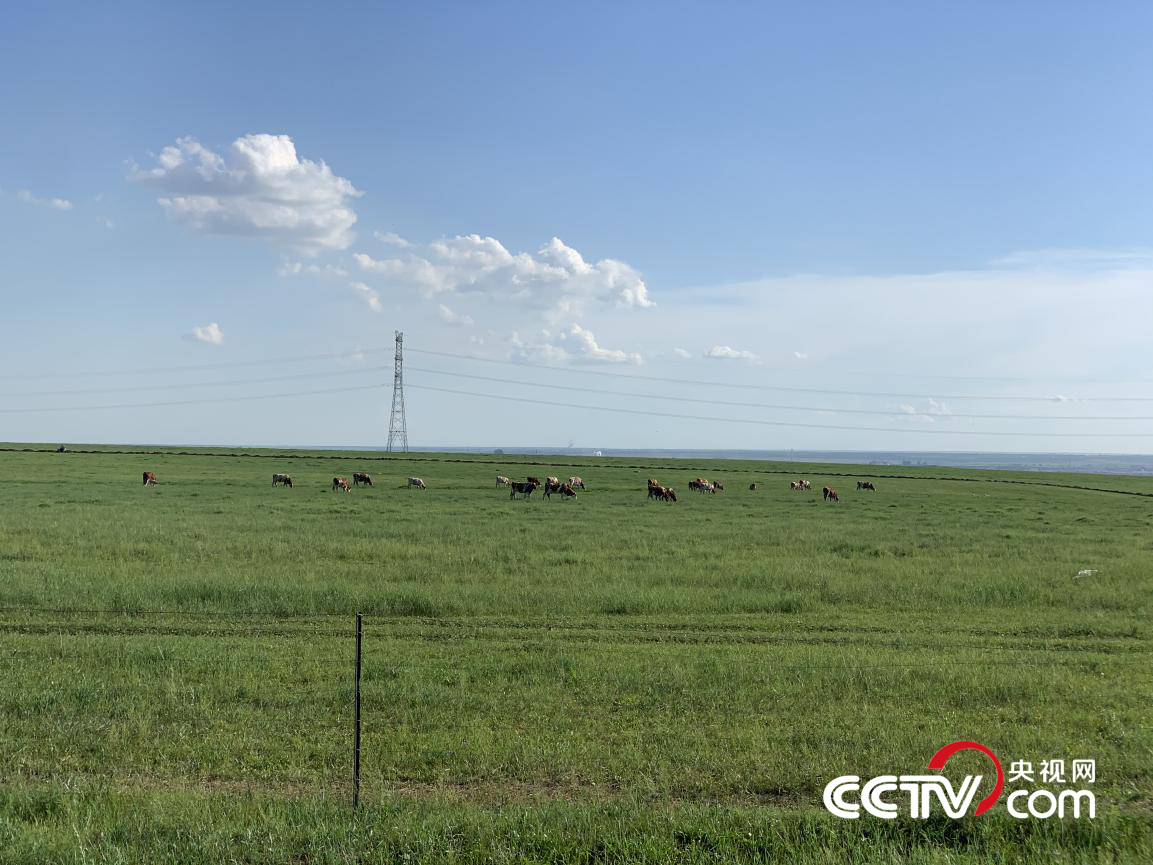
Shertala Farm CCTV reporter Wang Jingyuan photo
The reporter learned that in Hulunbeier Agricultural Reclamation Group, experimental demonstration sites like this are also distributed in six agricultural pastures such as Tenihe. Through the transformation of ecological grass and animal husbandry experimental area, more than 100 thousand mu of natural grassland has been improved over the years, which has improved the yield and quality of pasture and formed a modern agricultural pattern of circular development of agriculture and animal husbandry.
Honghuaerji Water Control Project: the "pillar" of flood control, the "stabilizer" of water supply and the "cozy nest" of waterfowl.
Honghuaerji Water Control Project is located in Ewenki Autonomous Banner, Hulunbeier City, Inner Mongolia Autonomous Region. Construction started in April 2007 and was fully completed in August 2011.
After completion, Honghuaerji Water Control Project is the only large type II reservoir in high latitude and cold regions in China, the only water control project built on the Yimin River, and the only drinking water source supply place in the downtown area of Hulunbeier.
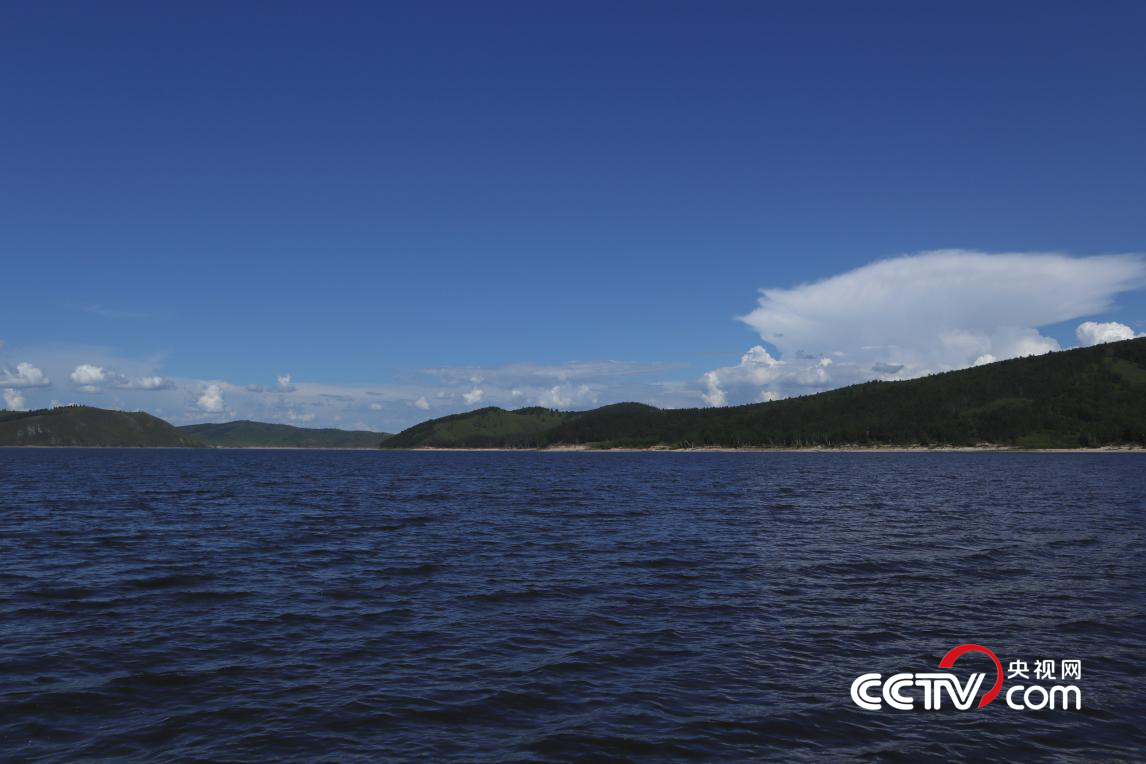
Honghuaerji Water Control Project CCTV reporter Wang Jingyuan photo
Yu Dapeng, deputy general manager of Honghuaerji Hydropower Branch, introduced that the reservoir has a total storage capacity of 322 million cubic meters and a control basin area of 5,364 square kilometers, which has raised the flood control standard of Yimin River from once every 30 years to once every 100 years.
The reservoir regularly inspects and maintains 23 hydrological stations distributed in the control basin area of 5,463 square kilometers above the dam site, scientifically and reasonably arranges the operation mode of hydro-generator sets according to the weather and rain information in time, adjusts the storage capacity to prevent ice and flood, updates the dam automatic monitoring system, and continuously improves the dam safety management and control level.
In 2013, Honghuaerji Water Control Project successfully resisted the second flood of Yimin River since 1958. It is the "pillar" of flood control and the "stabilizer" and "ballast stone" of water source and water supply security in Hulunbeier area, protecting the lives and property of people of all ethnic groups on both sides of the middle and lower reaches of the river and protecting 212,000 mu of grassland from floods.
In addition, the Honghuaerji Water Control Project and the water supply project are also projects combining water conservancy and ecology. The reservoir conserves grasslands and attracts many kinds of waterfowl to settle down in the reservoir area, achieving a win-win situation for the construction of ecological civilization and the beautiful development in hulun buir grassland.
"In the past, regional economic development mainly relied on the dependence and extraction of groundwater, and the ecological environment was under great pressure." Yu Dapeng said that now all nine water source wells in the original central city water source of Hulunbeier City have withdrawn from the central city water supply, realizing the full use of surface water from Honghuaerji Reservoir.
In order to transport the mountain spring water in the forest to the homes of nearly 400,000 residents in the central city of Hulunbeier and Ewenki Banner, Hulunbeier City built a water supply project with Honghuaerji Water Control Project as the fulcrum. The total length of the pipeline is about 108 kilometers, starting from Honghuaerji Reservoir and ending at Heiyangzhan Water Plant. At present, the reservoir provides about 25 million cubic meters of urban water supply and 10 million cubic meters of industrial water supply every year.
One of the tasks of Chen Lei, an operation and maintenance attendant, is to patrol the water surface every day. In order to prevent water pollution and damage to the water environment, he and his colleagues have to patrol the first-class water source protection zone manually every day. In addition, it is also responsible for standardizing the setting of water source boundary signs, warning signs and protective fences, regularly salvaging floating objects on the water surface, and cleaning up garbage along the river. With their efforts, the water quality has remained above the national third-class standard for surface water for a long time.
Water governance is also inseparable from technological empowerment. In view of the long distance of water supply pipeline, wide distribution range, large number and long distance of pressure monitoring points, and low efficiency of manual patrol monitoring, the reservoir carried out technical innovation and upgraded 23 remote signals of pressure and flow in 7 key wells of water supply pipeline. The pressure and flow data transmission of the reformed water supply pipeline monitoring system is timely and accurate, and can be monitored in real time through the mobile terminal of the mobile phone, which comprehensively improves the water supply safety guarantee ability.
In July, the Honghuaerji Reservoir was full of blue waves and birds, which was a vivid practice of ecological environment management in Sheung Shui, hulun buir grassland.
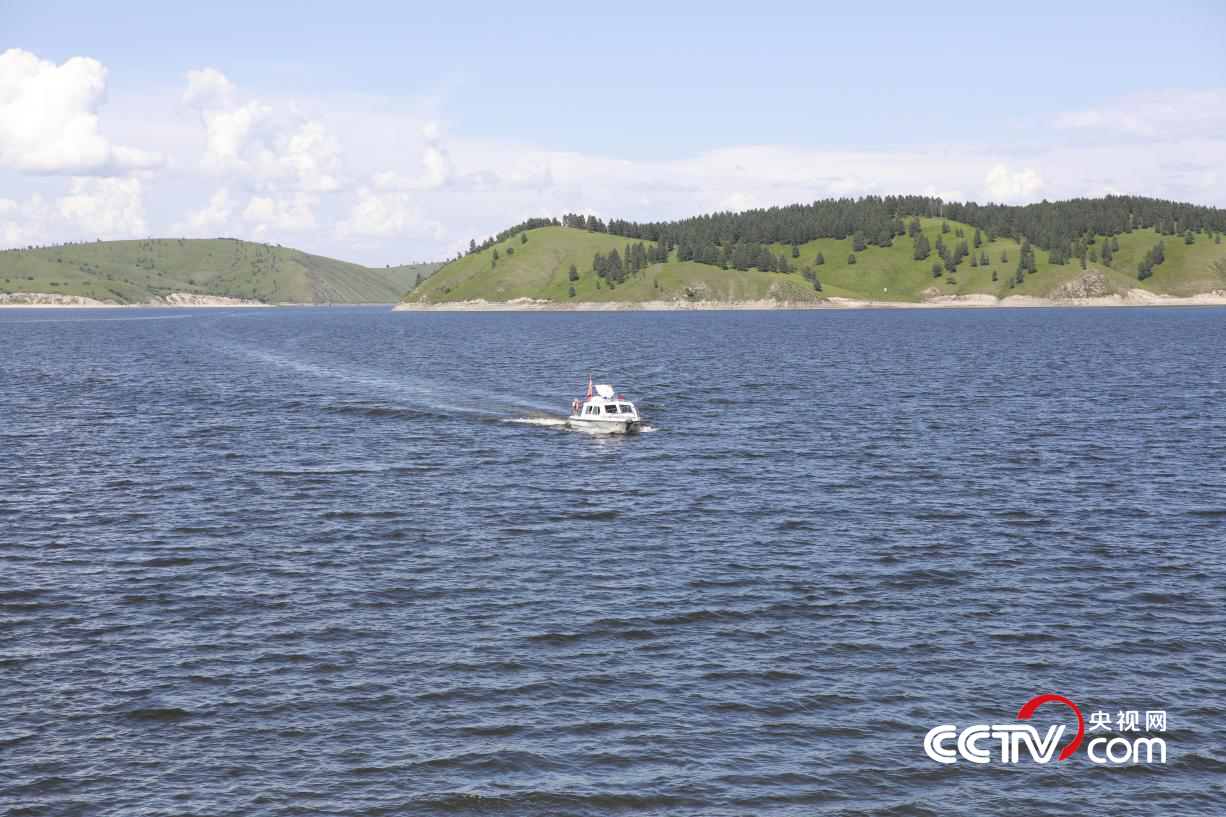
Reservoir patrol boat Zhang Yuan photo
Forests and grasslands are important natural ecosystems, which play a fundamental and strategic role in safeguarding national ecological security and promoting the construction of ecological civilization. Forests are reservoirs, Qian Ku, grain depots and carbon depots, and the flourishing of forests and grasses is ecological.
"This interview with the group not only allowed us to appreciate the beautiful natural scenery of the motherland, but also allowed us to receive a vivid patriotic education, which enriched the teaching materials of teachers." During the five-day interview, Dao Lifang, an associate professor at the Marxist College of Inner Mongolia Agricultural University, led the students to participate in the whole process.
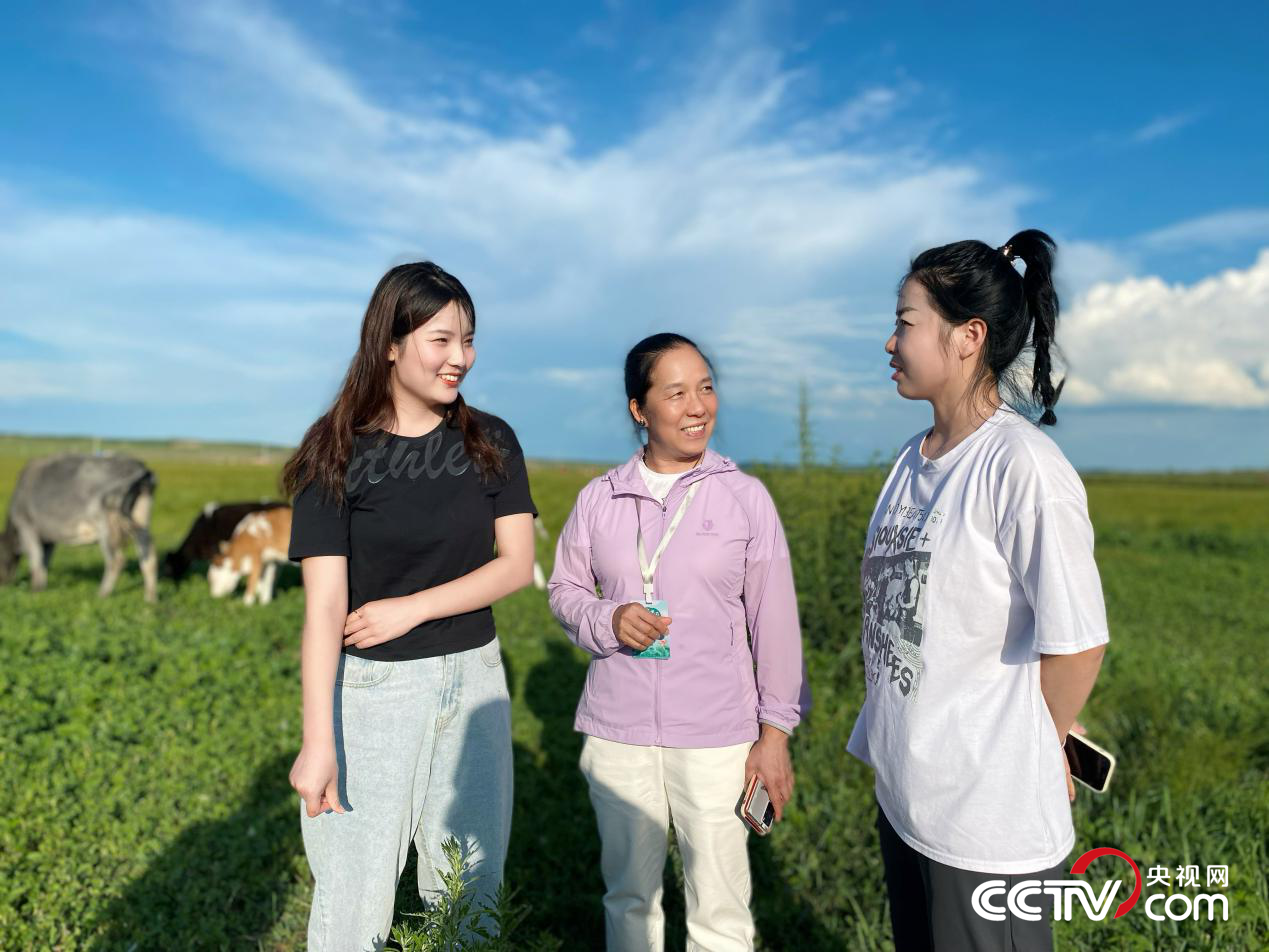
Dao Lifang and student CCTV reporter Yu Xiaodan photo
Dao Lifang said that this time, leading young students to understand the national conditions in the first line, measuring the motherland with their feet and discovering the truth with their eyes, made them realize the necessity and significance of ideological and political lessons going out of the small classroom in school and into the big classroom in society.
In Dao Lifang’s view, it is of great significance that the first stop of this network theme activity is in Hulunbeier City, Inner Mongolia Autonomous Region, which is located in the north of the motherland.
Hulunbeier, with an area of more than 250,000 square kilometers, is located in the northeast of Inner Mongolia Autonomous Region, adjacent to Mongolia and Russia. It has more than 80,000 square kilometers of prairie, more than 120,000 square kilometers of forest, the largest high-latitude and low-altitude native woody wetland in Asia, Hulun Lake and Bell Lake. It is an important green ecological barrier and security barrier in northern China and occupies a very important position in the construction of ecological civilization.
"Thousands of miles of mountains and rivers, only this green", Hulunbeier City of Inner Mongolia Autonomous Region knocked on the new door of economic development with green water and green hills, and embarked on a green development road with ecological beauty and rich people. The touching story of loving, planting and protecting green in this land continues.